Dexa Scans in Layton
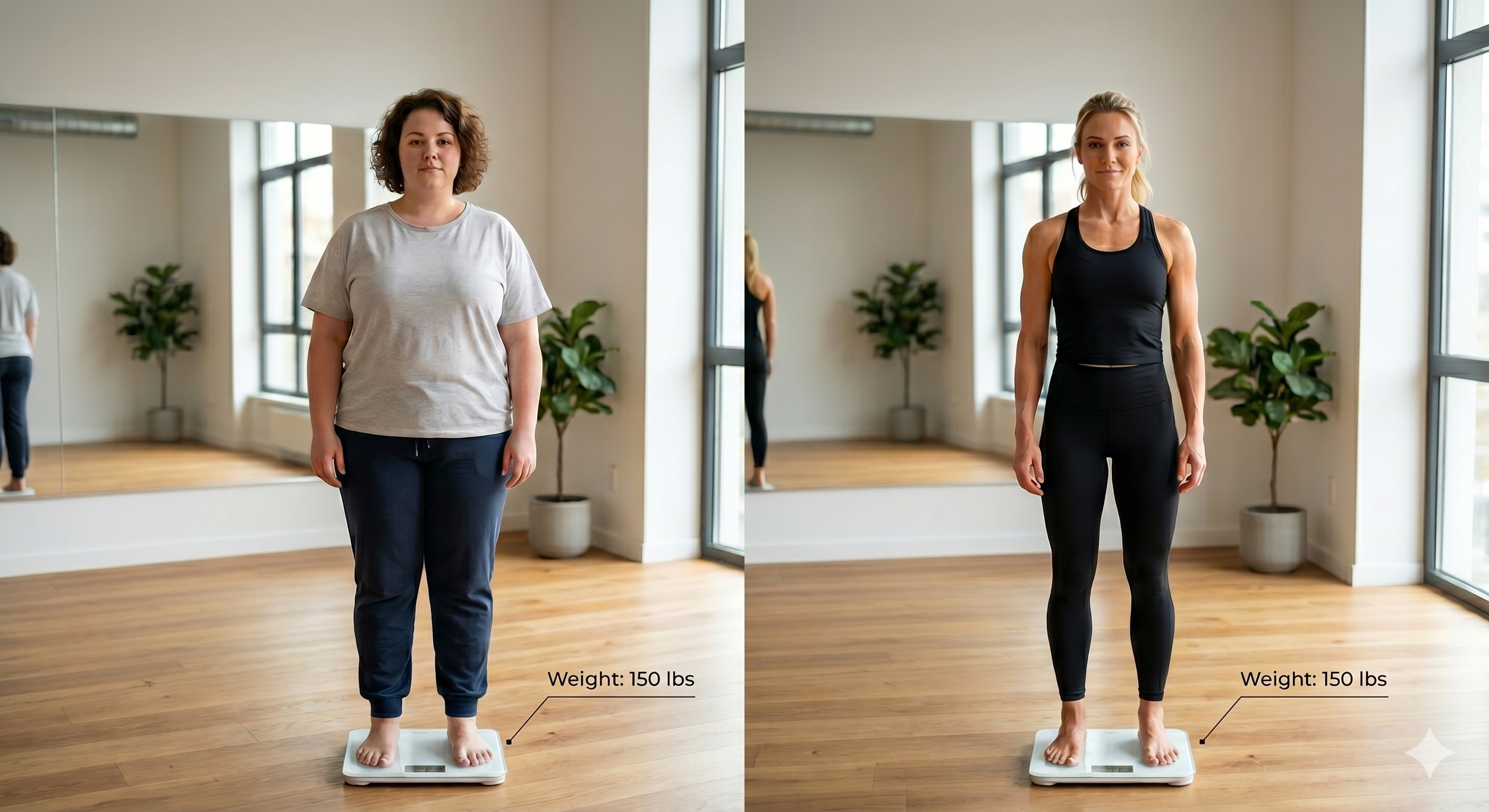
Your Weight Doesn’t Tell the Whole Story
Get the full picture with a dexa scan
You’re putting in the effort—choosing the right foods, staying consistent with your workouts, and feeling the positive shifts in your energy and how your clothes fit. But when you step on a traditional scale, that single number doesn't always reflect the progress you feel.
The reality is that a scale only measures your relationship with gravity. It doesn't account for the complexity of your body’s transformation. To truly optimize your health, you need to look beneath the surface.
Moving Beyond Total Body Weight
Whether you are training for a podium finish, building a resilient body for longevity, or working toward a personal weight goal, precision matters. A DEXA Scan provides the high-resolution data you need to stop second-guessing your routine and start measuring what actually counts.
A DEXA Scan reveals what the scale can't:
Muscle Mass Gains: Track exactly where and how much lean muscle you are building, ensuring your strength training is effective.
True Fat Loss: Monitor your body fat percentage over time to confirm that the weight you're losing is actually fat, not hard-earned muscle.
Visceral Fat Insights: Measure the specific fat stored around your vital organs—a key marker for metabolic health and longevity.
Bone Mineral Density: Assess your skeletal strength, a critical metric for long-term injury prevention and aging well.
Evidence-Based Adjustments: Use objective data to see if your current nutrition plan and training load are delivering the results you’re working for.
Knowledge is the ultimate motivator. By seeing exactly what your body is made of, you can move forward with a plan tailored to your actual biology, not just a guess based on a single number.
What to expect when getting a Dexa Scan in Layton
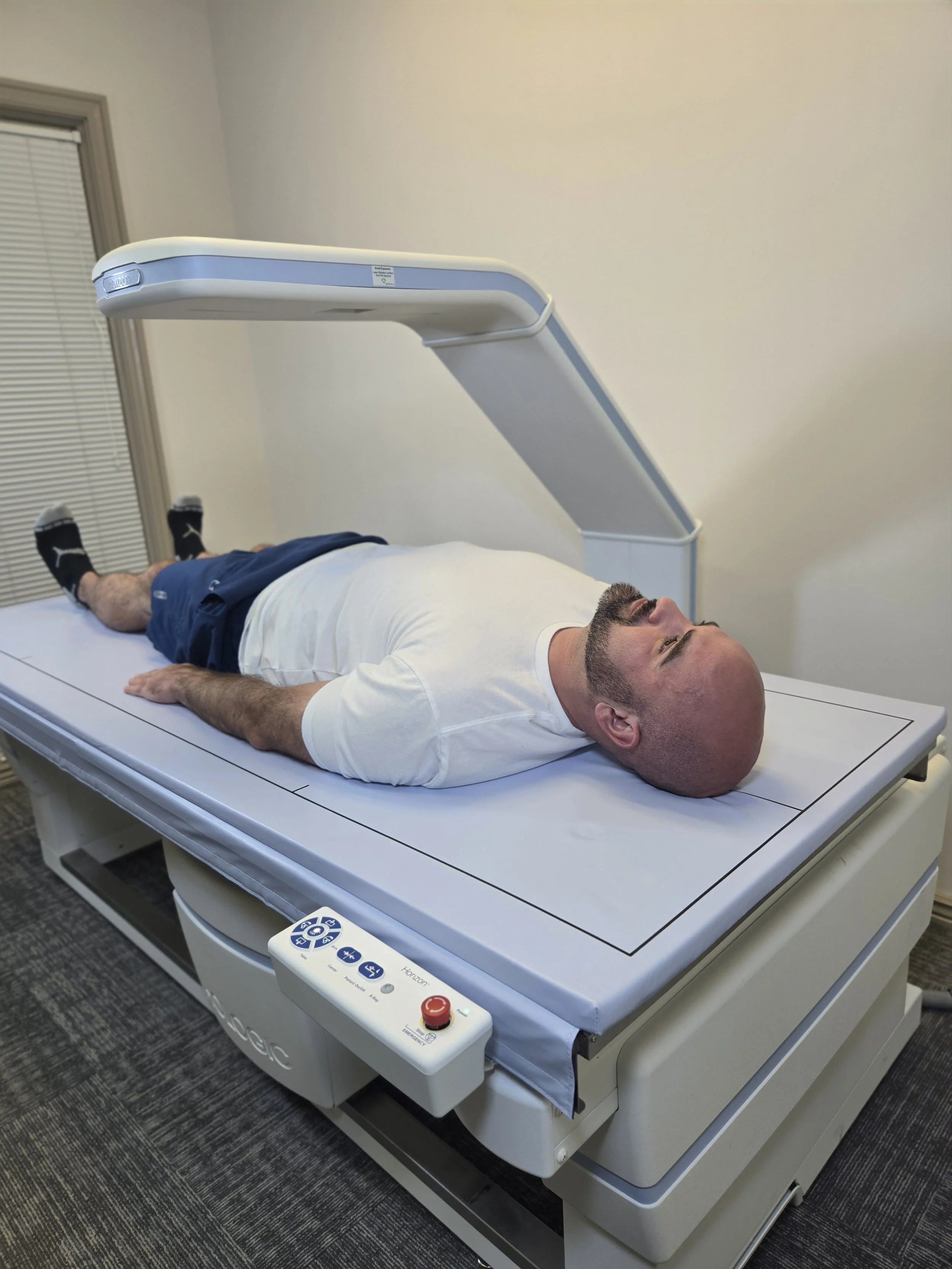
A DEXA scan is a quick, non-invasive, and painless experience. From start to finish, the entire appointment usually takes about 15 to 30 minutes, with the scan itself taking only taking 6-8 minutes.
1. Preparation and Attire
When you arrive, you’ll want to be wearing comfortable, loose-fitting clothing. It is important to avoid wearing anything with metal, as it can interfere with your bone density reading. Please try to avoid:
Zippers or metal buttons
Underwire bras
Jewelry or watches
Athletic wear with heavy reflective metal logos
Pro Tip: If your favorite workout gear has metal, don't worry—we can provide a comfortable gown for you to change into.
2. The Scanning Process
You will lie flat on a padded, open table. Unlike an MRI or CT scan, a DEXA machine is completely open, so you won’t feel enclosed or "boxed in."
Positioning: Our technician will help you get positioned comfortably on your back to ensure the most accurate data.
The Scan: A mechanical arm (the "c-arm") will slowly pass over your body from head to toe 7 times. At the same time the table will slowly move back and forth. It will not touch you or make loud noises.
Stay Still: All you have to do is lie still and breathe normally for about 6 to 8 minutes.
3. Immediate Results
As soon as the scan is finished, the software generates a comprehensive, color-coded map of your body. We will sit down with you immediately to review your:
Body Fat Percentage: Total and regional fat distribution.
Visceral Fat: A look at how much fat is deep down surrounding your organs.
Lean Muscle Mass: Balanced measurements for your arms, legs, and trunk.
Bone Density: A baseline look at your skeletal health.
You’ll walk out with a printed copy of your report so you can start using your data right away. A digital copy will be provided after you leave.
We will have time to go over what the results mean and give you general recommendations on steps you can take to improve.
Subcutaneous and Visceral Fat
Not All Fat is Created Equal
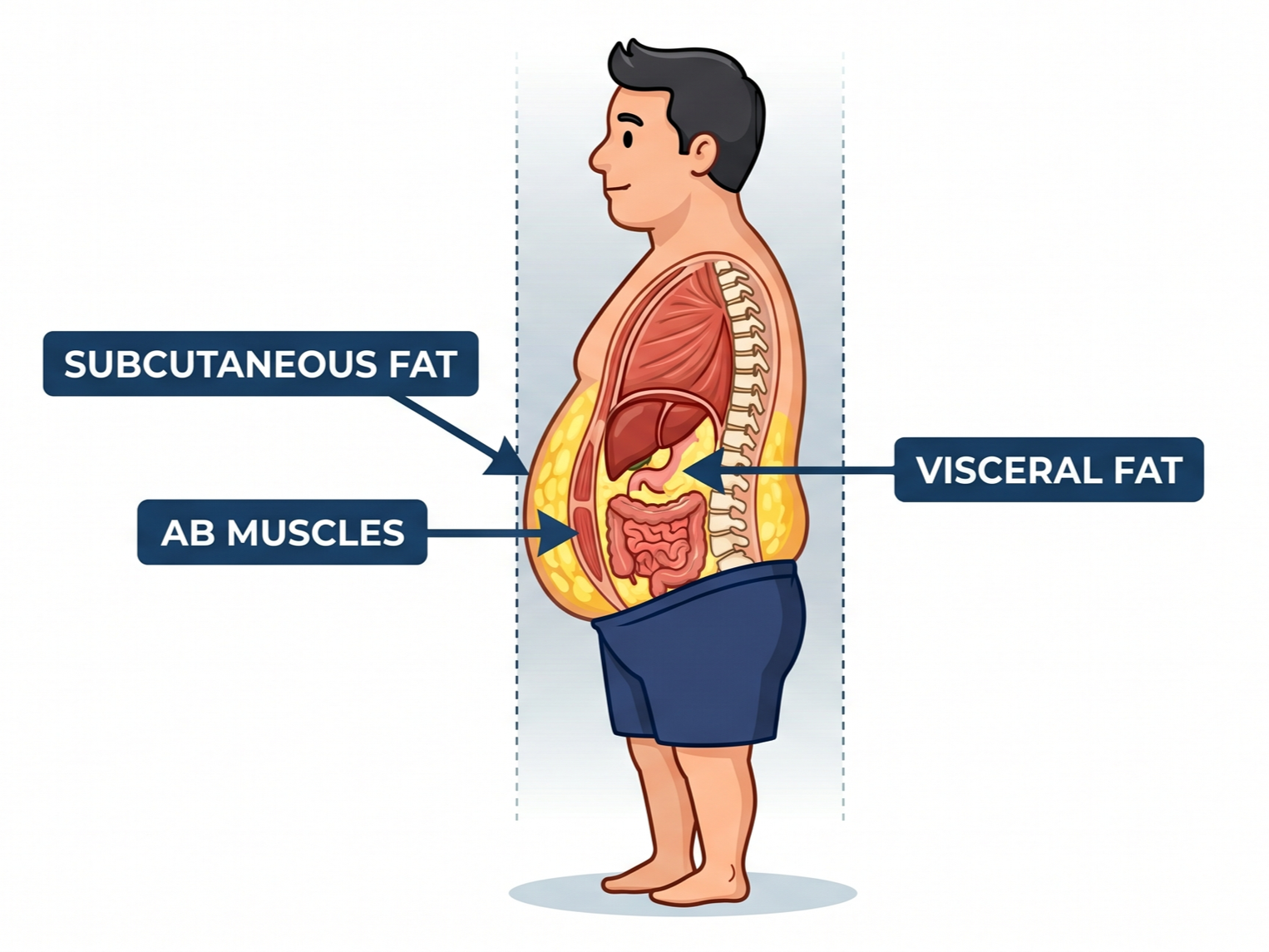
When we talk about body fat, most people think of it as one single thing. In reality, your body stores fat in two very different ways—and one matters much more for your health than the other.
1. Subcutaneous Fat (The "Pinchable" Fat)
This is the fat found just under your skin. It’s the stuff you can feel on your arms, legs, or waist. While this is usually what people want to lose for aesthetic reasons, it’s actually the "safer" kind of fat. It acts as an energy reserve and insulation for your body.
2. Visceral Fat (The "Invisible" Health Risk)
This is the fat that lives deep inside your belly, wrapping around your vital organs like your liver and heart. You can’t see it, and you can’t pinch it, but it is highly active.
Why it’s a big deal: High levels of visceral fat are linked to inflammation and long-term health issues like heart disease and diabetes.
The DEXA Advantage: You can be "thin" on the outside but have high levels of visceral fat on the inside. A DEXA scan is one of the only ways to see this hidden metric so you can take action.
How do I know if I have too much or too little fat?
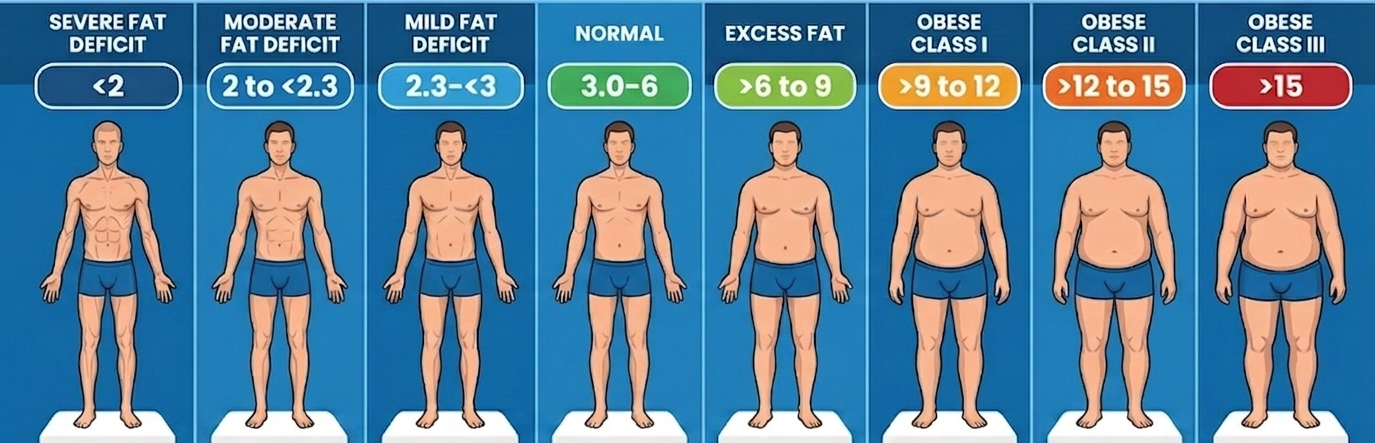
While your body fat percentage tells you what portion of your weight is fat, the Fat Mass Index (FMI) tells us if that amount is healthy for your specific height. Unlike BMI, which can be misleading for muscular individuals, FMI ignores muscle mass entirely to focus strictly on your fat levels.
Why These Numbers Matter
If your FMI is in the "Deficit" range: You may not have enough fat to support optimal hormone production and energy levels.
If your FMI is in the "Healthy" range: Your current body composition is supporting long-term metabolic health.
If your FMI is in the "Excess" or "Obese" range: You may be at a higher risk for inflammation and metabolic issues, especially if a large portion of that fat is visceral fat (the kind stored around your organs).
By tracking your FMI over time, we can ensure that your fitness and nutrition plan is actually reducing fat mass while keeping your metabolism-boosting muscle right where it needs to be.
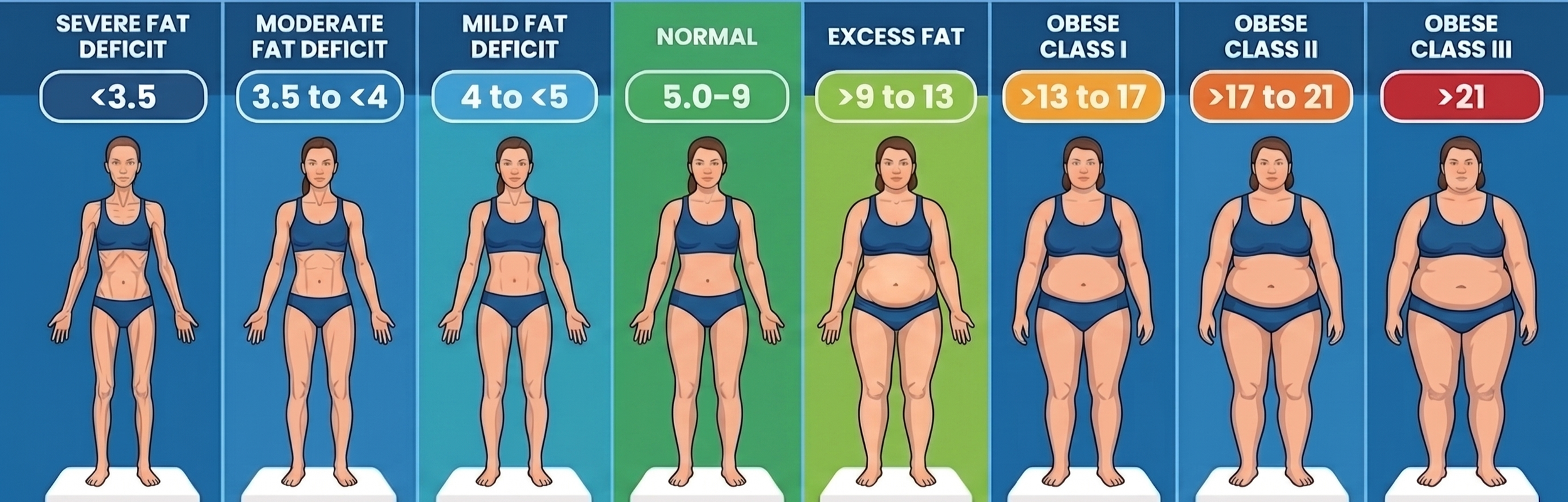
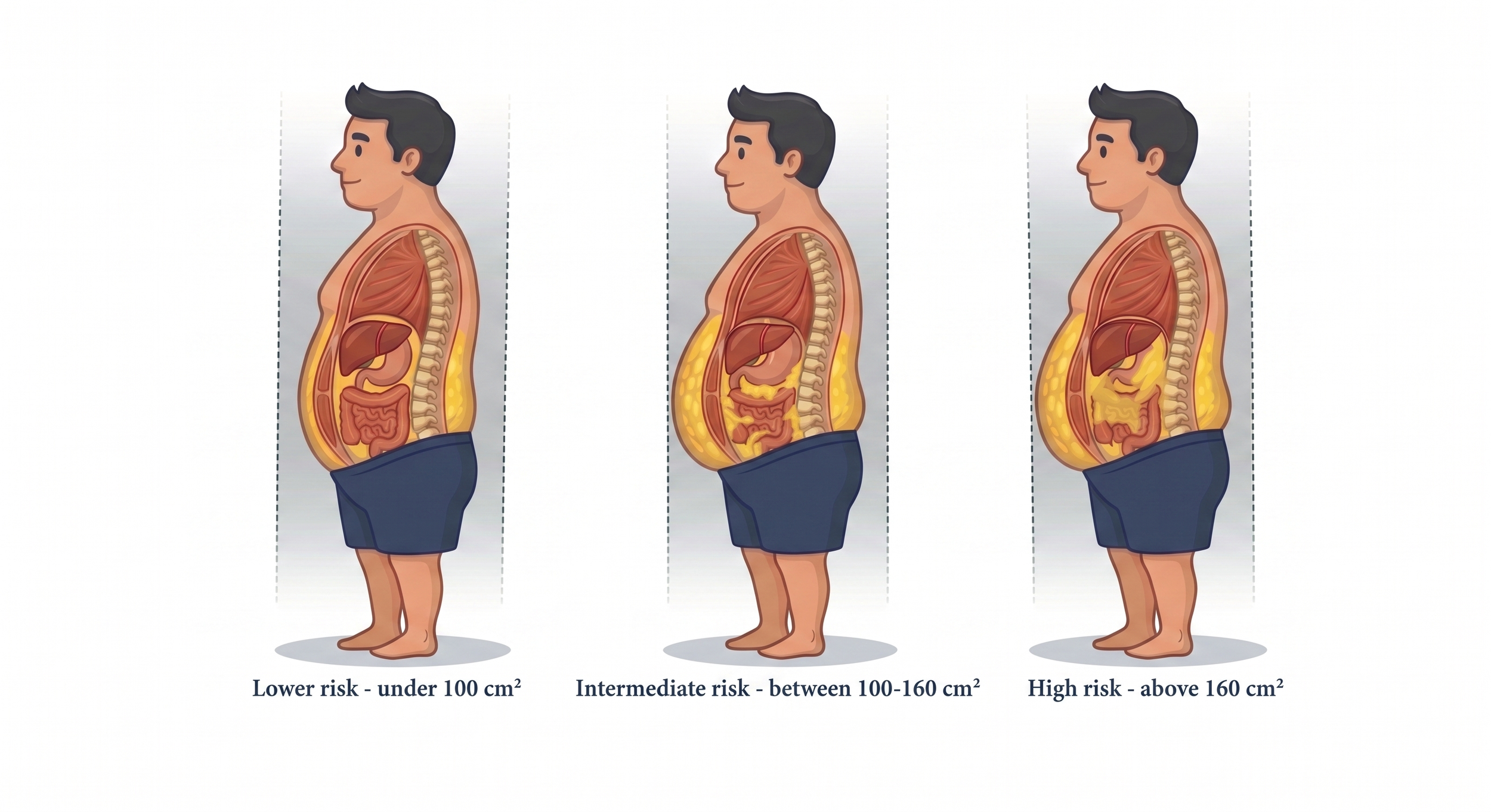
While your overall fat mass is important, the Visceral Fat measurement is often the most critical number on your DEXA report for long-term health and disease prevention. This is the "active" fat that lives deep in your belly, and when it comes to this specific metric, less is almost always better.
What is a Healthy Range?
Visceral fat is typically measured in grams and as an area in cm², and clinical research suggests that keeping this number as low as possible is the goal for metabolic longevity.
Optimal / Low Risk: 0 – 100 cm²
Moderate Risk: 101-160 cm²
High Risk: Anything above 160 cm²
Why the Target is So Low
Because visceral fat wraps around your vital organs, even a seemingly small amount can significantly increase your risk for systemic inflammation. Unlike the fat under your skin, visceral fat acts like an organ itself, pumping out inflammatory signals that can interfere with your hormones and heart health.
The "Skinny Fat" Warning
One of the most valuable insights we provide at is identifying "Thin on the Outside, Fat on the Inside" (TOFI). Many clients who appear lean or have a "normal" weight on a standard scale are surprised to find their visceral fat is in the high-risk category.
Muscle Mass
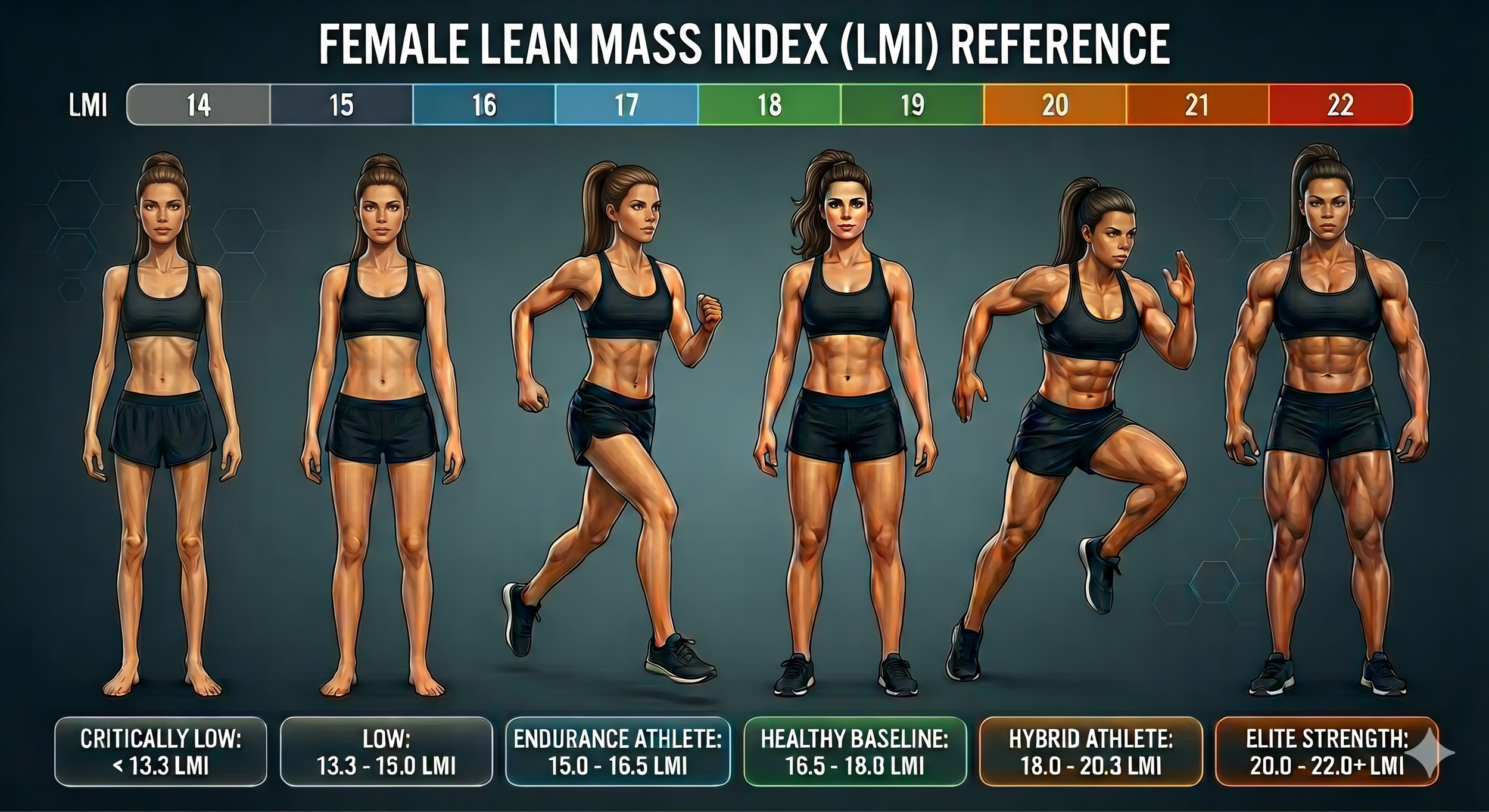
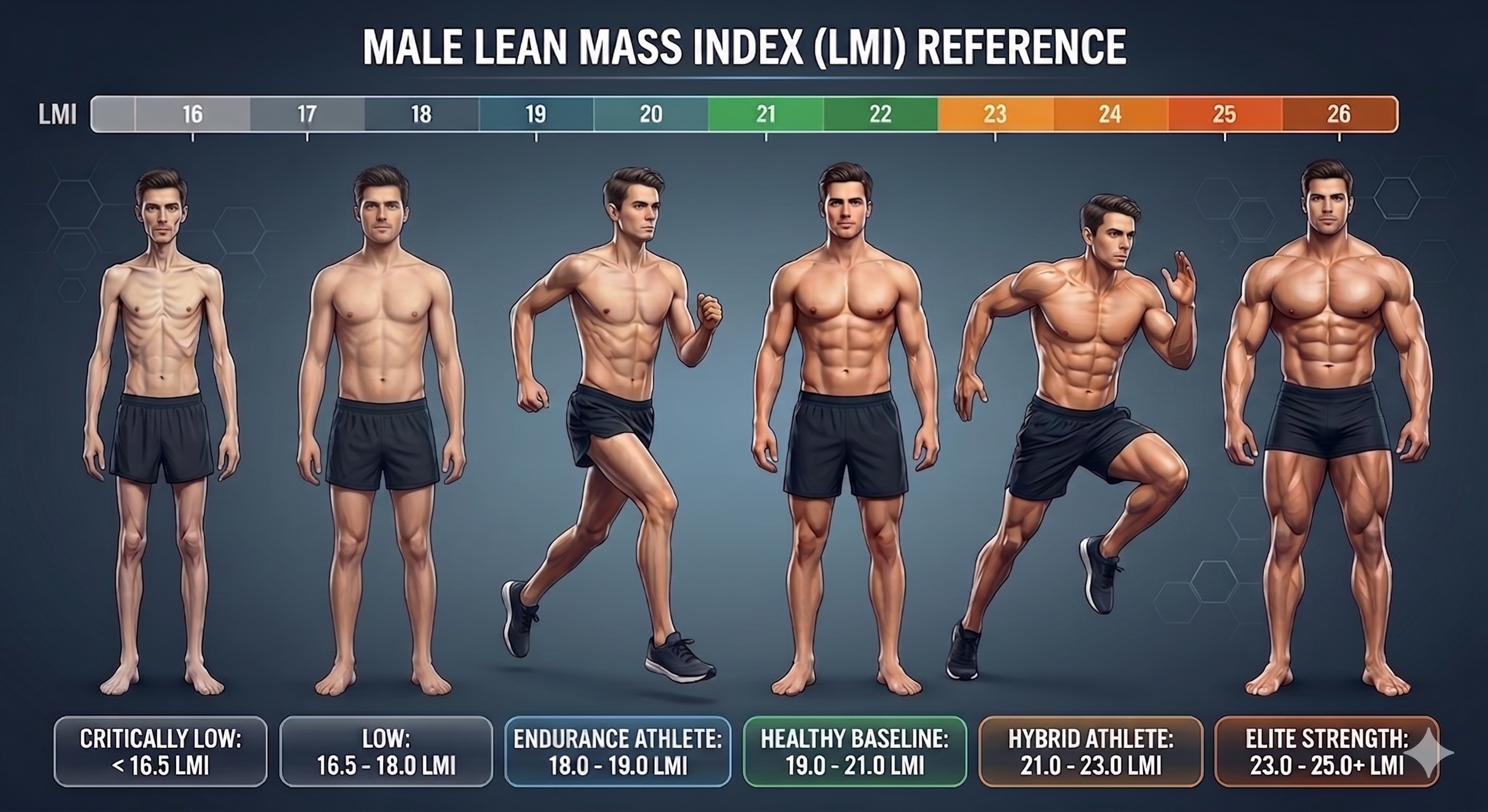
When it comes to building a high-performing body, muscle mass is a balancing act. It is the active tissue that powers every lift, sprint, and daily movement, but its value isn't found in a "bigger is better" approach. The goal is to develop a level of lean mass that is optimized for your frame—ensuring you have enough to be powerful and resilient, but not so much that it hinders your agility or efficiency.
The Case for "Enough": Building Your Foundation
For many, the challenge isn’t having too much muscle, but ensuring they have enough to support their lifestyle and long-term health.
Metabolic Engine: Muscle is your body's most metabolically expensive tissue. Having sufficient lean mass helps regulate blood sugar, improves insulin sensitivity, and keeps your resting metabolism firing at a higher rate.
Structural Protection: Muscle acts as "body armor." It stabilizes your joints and absorbs the impact of high-intensity training, which is your best defense against injury and age-related decline.
Functional Independence: Adequate muscle mass is a key predictor of how well you will move decades from now. It is the "bank account" you draw from to maintain strength and mobility throughout your life.
The Case for "Optimal": Avoiding Diminishing Returns
On the other end of the spectrum, carrying muscle mass that exceeds what your frame was designed for can lead to a drop-off in performance:
Efficiency and Endurance: In cardiovascular or high-repetition tasks, excessive mass—even "good" muscle—requires more oxygen and energy to move, which can lead to faster fatigue.
Power-to-Weight Ratio: In movements like pull-ups, box jumps, or running, the goal is to be as strong as possible at the lightest sustainable weight.
Bone Density
Building a resilient body isn't just about the muscles you can see; it's about the internal framework that supports every move you make. A DEXA scan provides a critical window into your Bone Mineral Density (BMD), which is a primary indicator of your skeletal strength and long-term durability.
Bone Health is the Foundation of Longevity
We often think of our bones as static, stone-like structures, but they are actually living tissues that are constantly breaking down and rebuilding. As we age, the rate of rebuilding can slow down, leading to a silent thinning of the bone that often goes unnoticed until an injury occurs.
1. The "Silent" Metric
Unlike a pulled muscle or a sore joint, you cannot "feel" your bones getting weaker. Many people don't realize their bone density is low until they experience a fracture from a minor fall. By measuring your bone density now, you can move from reactive treatment to proactive prevention.
2. Support for an Active Lifestyle
Whether you are hitting a new PR in the back squat or hiking our trails, your bones are the levers that allow your muscles to produce power. Stronger bones mean a higher tolerance for the physical stress of high-impact sports and heavy lifting, reducing the risk of stress fractures and keeping you in the game longer.
3. Aging with Confidence
Maintaining high bone density is one of the most effective ways to ensure independence as you age. It is the best defense against osteoporosis and the related fractures that can significantly impact quality of life. Knowing your baseline today allows you to make evidence-based adjustments to your nutrition and resistance training to "bank" bone strength for the years ahead.
4. Data-Driven Bone Care
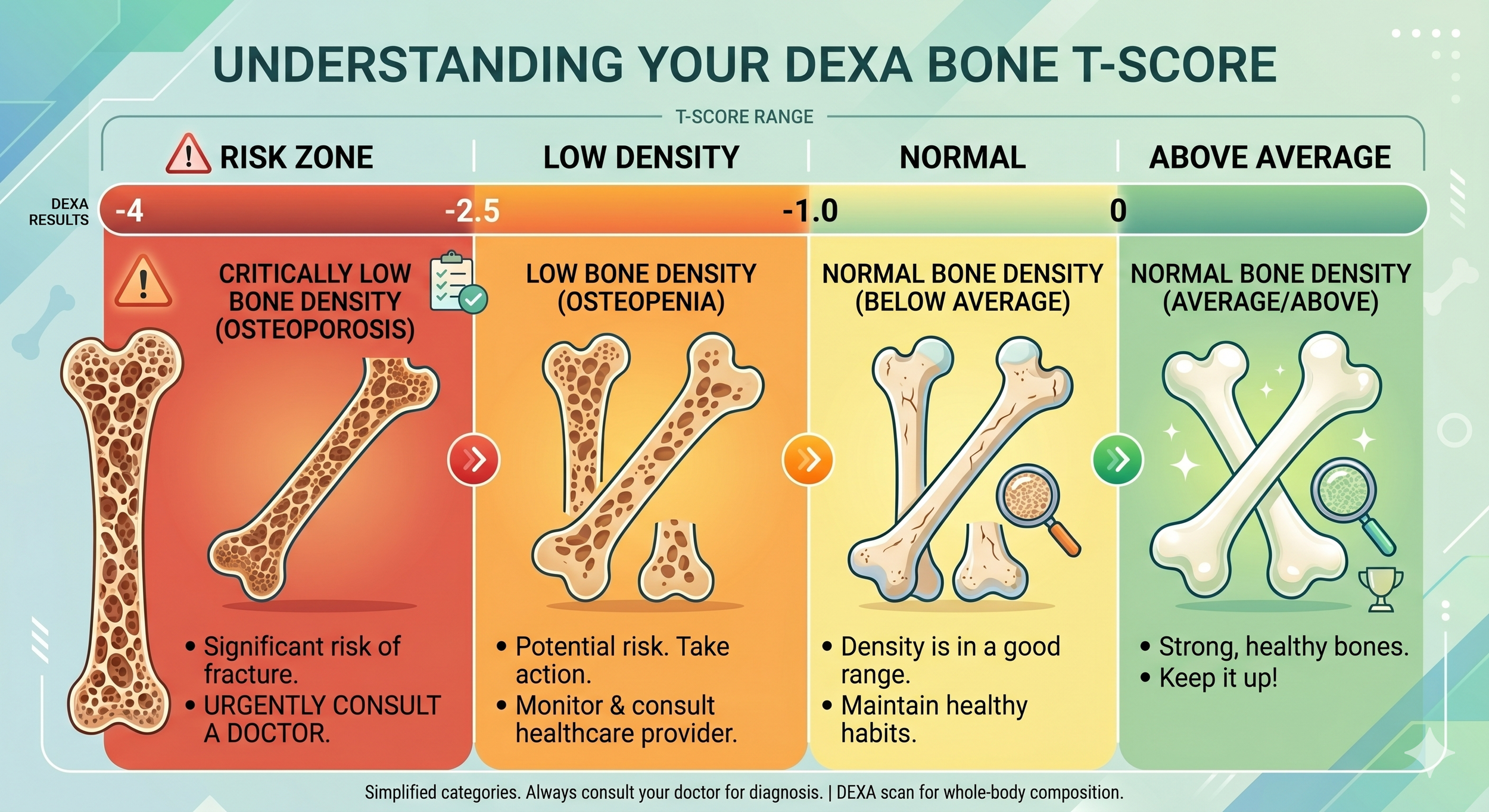
A DEXA scan is the clinical gold standard for measuring bone health. It provides you with a T-score, which compares your bone density to that of a healthy young adult. This score helps us determine if your current lifestyle is effectively supporting your skeleton or if it's time to prioritize specific bone-loading exercises and micronutrients.
-
There are two types of Dexa Scans. The one we do will screen you for low bone density but it is not used to make a diagnosis. If we see a low reading you can take this screening information to your doctor and they may order a diagnostic test that looks specifically at your lower spine, your hips or your forearms.
-
To maintain healthy strong bones your body needs adequate levels of Vitamin D, Calcium and Magnesium. If you are deficient in any of those helpful supplements include:
Vitamin D + K2
Calcium 1,000-1,200 mg per day
Magnesium Glycinate
Staying active such as running or walking help maintain strong bones. Lifting weights or plyometrics can help increase bone density
-
Dexa scans use density to differentiate between tissue types. Anything dense like metal plates, joint replacements or breast implants will look like dense bone to the scanner. They will artificially increase your reading. In that case you can still use the scan to evaluate changes over time.
To get an exact reading you can talk to your doctor about getting an order for a diagnostic scan of your spine, hip or forearm.

Frequently Asked questions
-
We offer different options to fit your needs.
Individual Scan $89
1 Scan per month subscription $65 per scan
1 Scan every 3 months subscription $70 per scan
1 Scan every 6 months subscription $75 per scan
1 Scan every 12 months subscription $80 per scan
-
Yes, HSA/FSA cards can both be used for getting a Dexa Scan
-
Dexa scans are a very safe procedure but you are exposed to very low levels of X-ray radiation. So we cannot scan you if you are pregnant or under 18.
-
Clothing - Wear comfortable, lightweight clothing without any metal zippers, buttons, or accessories. Avoid wearing jewelry, watches, or any other metal items that could interfere with the scan.
Fasting and Hydration - you do not need to fast before a DEXA scan. However, it's advisable to avoid consuming large meals or drinks containing caffeine or alcohol immediately before your appointment. Stay hydrated by drinking water leading up to your scan. Avoid dehydration and overhydration.
Exercise - You do not need to avoid exercise before or after your appointment.
-
Yes! Dexa scans give a lot of information. There will be plenty of time after the scan to go over your results, what they mean and general next steps.

Other Services You May be Interested in
Resting Metabolic Rate Testing
Resting Metabolic Rate (RMR) testing measures the exact number of calories your body burns at rest, providing the biological "blueprint" for your unique metabolism. By knowing your precise caloric needs, you can stop the guesswork and customize your nutrition plan to lose fat, gain muscle, or maintain your weight with clinical accuracy
Great for those who want to dial in more precise calorie targets or those who are struggling to lose fat.
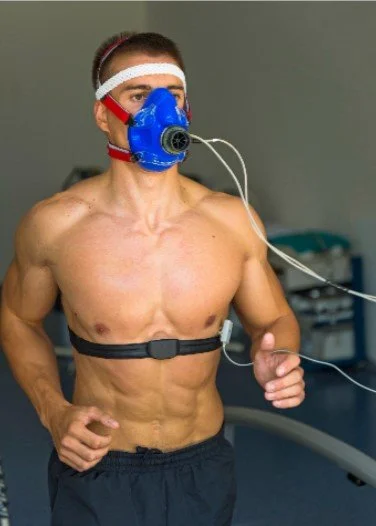
VO2 Max testing
VO2 Max testing is the gold standard for measuring your cardiovascular fitness and aerobic capacity by analyzing how efficiently your body uses oxygen during exercise. This "fitness score" allows you to establish precise heart rate zones, optimize your endurance training, and track one of the most powerful predictors of long-term health and longevity.
Great for athletes who prioritize a strong cardiovascular system and metabolic health.