
Stop Guessing, Start Measuring
get a clear picture of how many calories you need to meet your goals
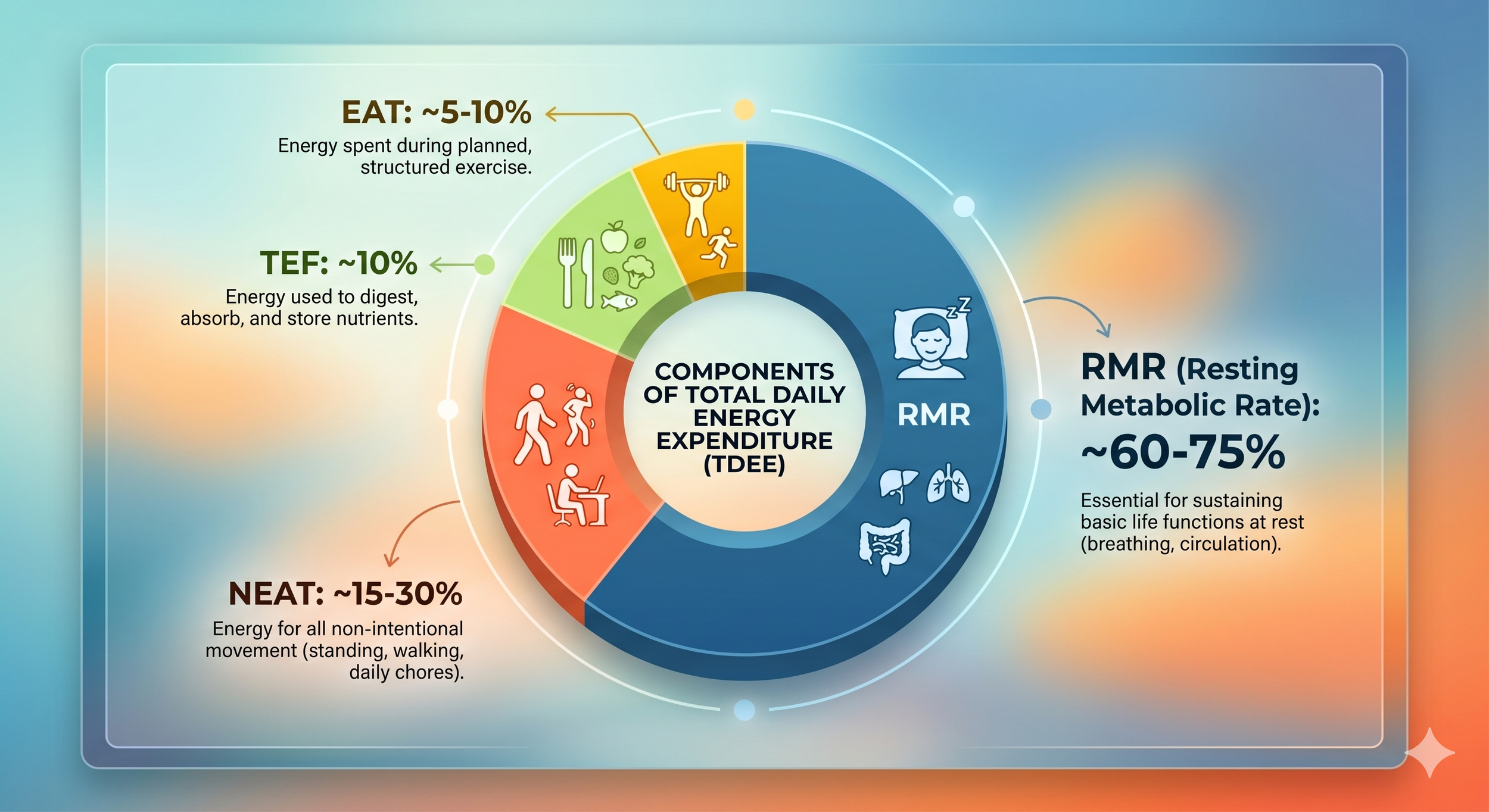
Most fitness apps and online calculators use "standard equations" to estimate how many calories you burn. The problem? They don't know you. Your genetics, muscle mass, and hormonal health can make your actual metabolism vary by as much as 20% from the average.
Resting Metabolic Rate (RMR) testing uses gold-standard indirect calorimetry to measure the exact amount of energy your body consumes to keep your heart beating, lungs breathing, and cells functioning. It is the literal "baseline" for every health goal you have.
Discover your unique metabolic profile
Why your RMR is the missing piece
End the "Plateau" Frustration: If you’ve been eating at a "deficit" but aren't losing weight, your RMR may be lower than estimated. We provide the hard data to show exactly where your caloric intake needs to be to trigger progress.
Precision Fueling for Athletes: For endurance athletes and high-performers, under-fueling is as dangerous as over-fueling. We identify your "Floor"—the minimum energy required to support recovery and prevent metabolic adaptation.
Data-Driven Nutrition: Whether you are looking to lose body fat or build lean muscle, your RMR provides the clinical starting point. No more "trial and error" with your diet; just a clear, math-based roadmap.
Monitor Metabolic Health: Metabolism isn't static. By testing periodically, you can see how your training and nutrition are actually changing your body's efficiency over time.
Online calculators treat everyone like a statistic. We treat you like an individual. Schedule your RMR assessment today and get the clinical accuracy you need to finally see the results your hard work deserves.
Understanding your metabolism
“Calories in vs Calories out” is the 30,000 foot overview of how to manage your body composition. That can be very frustrating to those who have cut calories but haven’t seen changes in their body composition. Let’s take a closer look:
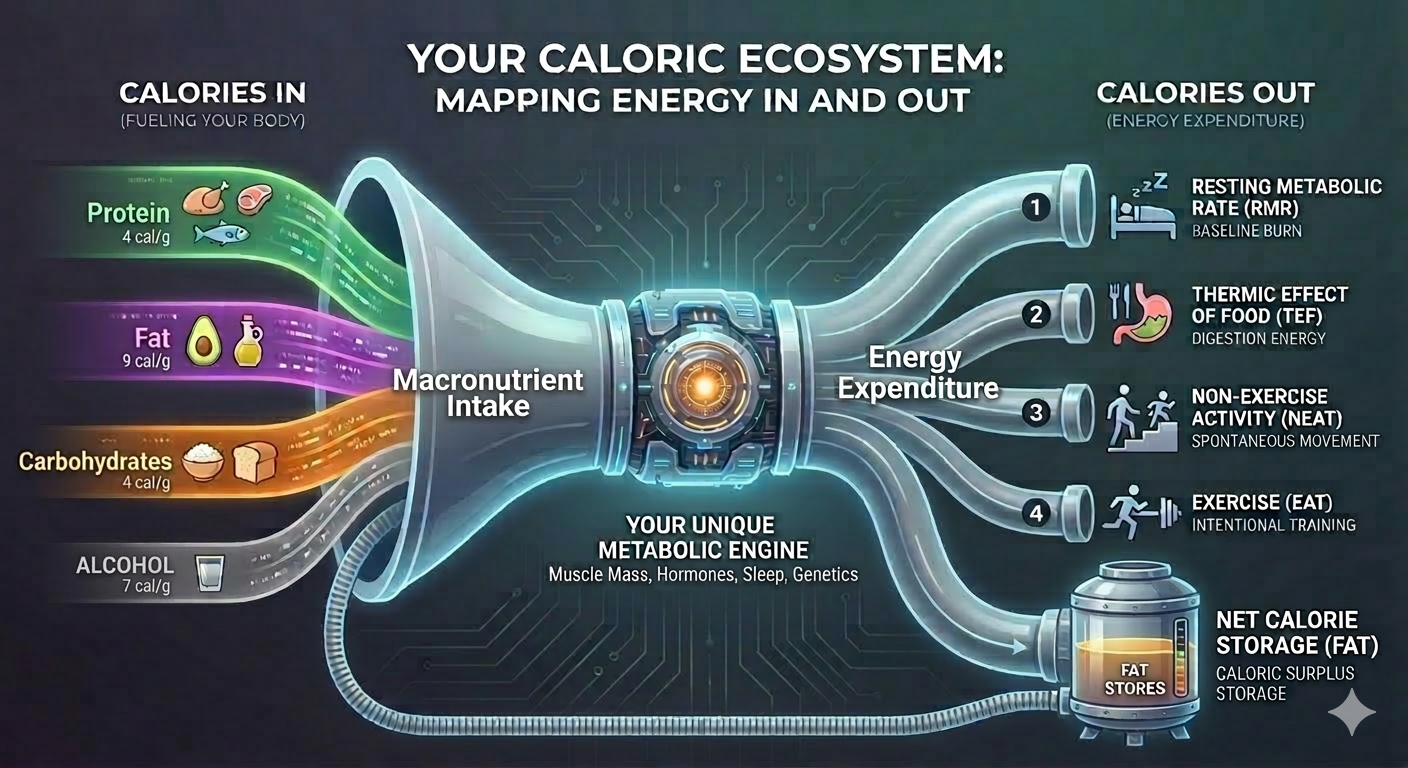
The 30,000-foot view of "Calories In vs. Calories Out" often fails to account for the complexity of the human body. To understand why your scale might be stuck, we need to look at Total Daily Energy Expenditure (TDEE)—the actual sum of how your body burns fuel every 24 hours.
The Four Pillars of Your Metabolism
Your metabolism isn't just one number; it’s a combination of four distinct processes:
Resting Metabolic Rate (RMR): This is the "cost of living." It’s the energy required to keep your heart beating, lungs breathing, and brain functioning while at rest. For most people, RMR accounts for 60–75% of total daily calories. This is why an RMR test is so vital—it identifies the largest piece of your metabolic puzzle.
Non-Exercise Activity Thermogenesis (NEAT): This includes all the energy expanded for everything we do that is not sleeping, eating, or sports-like exercise. Walking to your car, typing, fidgeting, and standing all fall under NEAT. It is the most variable component and can account for hundreds of calories of difference between two people.
Exercise Activity Thermogenesis (EAT): These are the calories burned during intentional exercise, like a CrossFit WOD or a long run. Interestingly, for many people, this is the smallest contributor to their daily burn, often accounting for only 5–10% of TDEE.
Thermic Effect of Food (TEF): It takes energy to turn food into fuel. Your body burns calories just by digesting, absorbing, and storing nutrients. Protein has the highest thermic effect, requiring much more energy to process than fats or carbohydrates.
Why the Scale Stops Moving: Metabolic Adaptation
If weight loss were a simple math equation, cutting 500 calories would result in linear progress forever. However, your body is a survival machine, not a calculator. When you maintain a calorie deficit for an extended period, your body triggers Adaptive Thermogenesis.
Think of it as "famine protection." As you lose weight, your body attempts to preserve energy by:
Lowering your RMR: A smaller body requires less energy, but your metabolism often drops further than predicted by weight loss alone.
Reducing NEAT: You may subconsciously move less, sit more, and feel more lethargic.
Altering Hunger Hormones: Signals like leptin decrease, making you feel hungrier and less satisfied after meals.
How an RMR Test Changes the Game
Without data, you are guessing. By measuring your RMR, we move past the "30,000-foot overview" and get a precise look at your unique physiology. Instead of slashing calories blindly—which can further slow your metabolism—we can identify the exact "sweet spot" that allows for fat loss while fueling your performance and protecting your metabolic health.

Frequently Asked questions
-
A single RMR Test is $89. Pair it with either a Dexa Scan or a VO2 Max test to get $20 off
-
Yes, HSA/FSA cards can both be used for all our services
-
12 hours before your appointment - avoid exercise and any stimulants or caffeine.
4 hours before your appointment refrain from eating or drinking anything except water. Consuming food or beverages can temporarily affect your metabolic rate and may impact the accuracy of the results.
Get plenty of rest the night before the test. Being well rested helps ensure your body is in a relaxed state.
-
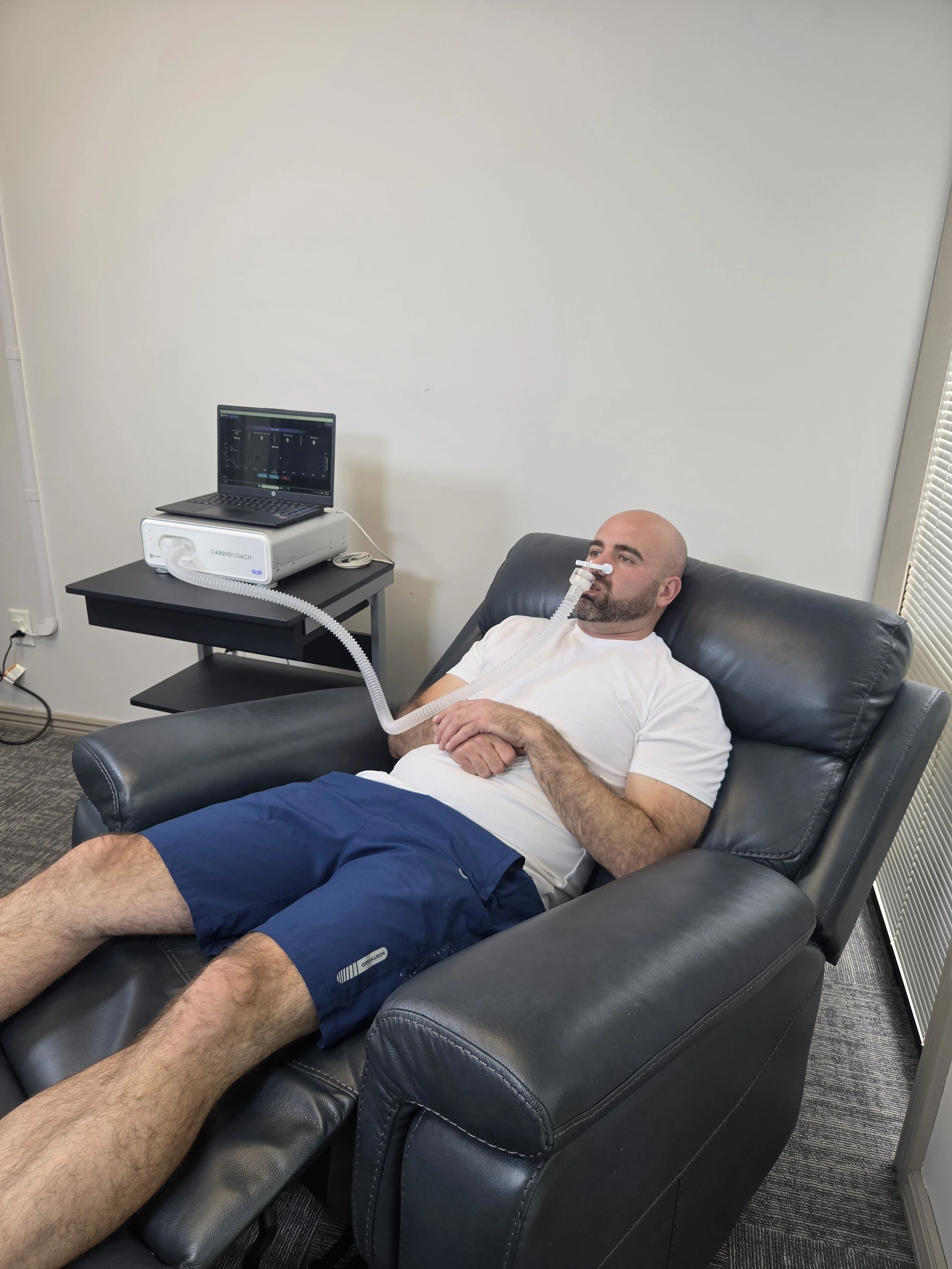
You will get to sit in a comfortable chair, which you can recline if you’d like.
We will use a nose plug to avoid losing any air out your nose then have you breathe through a hose while you sit back and relax for 12 minutes.
12 minutes can feel like a long time, so we can turn on a nature documentary to help pass the time if you’d like.
-
Yes! We will sit down and go over what the results mean and give you general guidance on next steps.
Other Services You May be Interested in
Dexa Body Composition scans
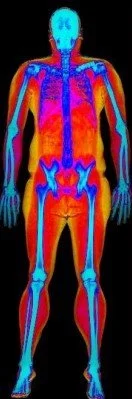
Find out what you’re made of with a comprehensive body composition scan. A DEXA scan is considered the gold standard for body composition analysis because it goes far beyond the number on a standard scale. It utilizes two low-energy X-ray beams to differentiate between three primary tissue types: bone mineral density, lean muscle mass, and fat mass. By mapping these tissues across specific regions of the body—such as the trunk, arms, and legs—the scan provides a precise "internal snapshot" of your physical makeup. Crucially, it also measures visceral fat, the deep belly fat associated with metabolic health risks, and identifies muscular imbalances between limbs, making it an essential tool for athletes and individuals looking to optimize their health and performance with clinical-grade data.
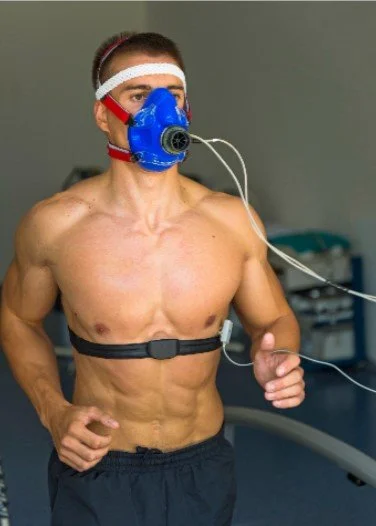
VO2 Max testing
VO2 Max testing is the gold standard for measuring your cardiovascular fitness and aerobic capacity by analyzing how efficiently your body uses oxygen during exercise. This "fitness score" allows you to establish precise heart rate zones, optimize your endurance training, and track one of the most powerful predictors of long-term health and longevity.
Great for athletes who prioritize a strong cardiovascular system and metabolic health.