
Zone 2 and VO2 Max Testing
Move beyond the estimate of a smart watch
A strong cardiovascular system is more than just "good cardio"—it is the literal engine that powers your life.
It’s what allows a lifter to recover between heavy sets of squats, an athlete to sustain a marathon pace, and a busy parent to maintain high energy all day long. While we live in an era of wearable technology, your smartwatch is only guessing. Most devices rely on generic, age-based formulas that can be off by as much as 15%, leading many to train in a "gray zone" where they are working too hard to recover but not hard enough to see real results.
You’re training hard, but are you training effectively?
-
You don’t have to be a competitive athlete to care about your cardiovascular health. VO2 max is now recognized as one of the single most important predictors of how long—and how well—you will live.
The Gold Standard of Longevity: Research shows that a high VO2 max is more strongly associated with a longer life than almost any other health metric. Improving your score doesn't just add years to your life; it adds "life to your years" by maintaining your energy and independence as you age.
Proactive Defense Against Disease: Cardiovascular disease remains a leading health risk. Knowing your precise aerobic capacity allows us to move beyond generic screening and create a proactive, data-driven plan to strengthen your heart and vascular system.
Master Your Metabolic Flexibility: True health is the ability to switch efficiently between burning fats and carbohydrates. Most people have a "stiff" metabolism—they are stuck burning sugar, which leads to energy crashes and difficulty losing weight. We identify the exact heart rate zones where your body is most efficient at burning fat. By training in these specific zones, you "teach" your body to tap into its fat stores for fuel, leading to steadier energy levels, fewer cravings, and a more resilient metabolism.
-
If you feel like you’re logging endless miles but your race times aren’t budging, you are likely training in the "dead zone"—too fast to recover, but too slow to build real power. We use your metabolic data to build a faster, more efficient version of you.
Build a Massive Aerobic Base: We identify your Aerobic Threshold (Ventilatory Threshold 1). This is the "ceiling" of your Zone 2. By knowing this number, you can ensure your easy runs are actually building the mitochondrial density needed for true endurance, rather than just adding fatigue.
Increase Top-End Power: To get faster, you have to raise your roof. We pinpoint your Anaerobic Threshold (Ventilatory Threshold 2)—the exact moment your muscles start to "acidify." We show you how to train right at this edge to push that threshold higher, allowing you to hold a faster pace with less effort.
Stop the "Bonk": Endurance is about fuel management. We measure your Fat Oxidation rates to show you exactly when your body shifts from burning fat to burning limited sugar stores, giving you a scientific blueprint for your race-day fueling and pacing.
Ditch the Guesswork: Your watch uses heart rate estimates that change with the weather. We measure your actual oxygen consumption to give you a definitive baseline, so you know with 100% certainty that your training is working.
-
Many lifters fear that cardio will "kill their gains," but the science shows that your aerobic system is actually the support crew for your strength. While your sets are anaerobic, your recovery is entirely aerobic.
Recharge Faster: A strong cardiovascular system replenishes your muscles’ energy stores faster between sets, allowing you to maintain high power output from your first set to your last.
Boost Your Volume: Volume is the primary driver of muscle growth. By raising your "aerobic ceiling," you can handle more total sets and reps before hitting systemic fatigue.
Clear the "Burn": Improved blood flow helps "wash out" metabolic byproducts like lactate more efficiently, reducing the downtime you need before you feel "clear" enough to go again.
Protect Your Gains: We identify the exact zones you need to build your "engine" to support heavy lifting without interfering with your muscle-building goals.
-
Your metabolic engine is what separates those who finish strong from those who redline and fade halfway through a WOD. To dominate your METCONs, you need to understand exactly how your body manages energy under pressure.
Master Your Pacing: Stop guessing when to "send it." We identify your Anaerobic Threshold (VT2)—the exact point where your "lactic acid" begins to accumulate. Knowing this heart rate allows you to ride the redline during a high-intensity AMRAP without blowing up.
Recover Faster Between Movements: Whether it’s a heavy set of thrusters or a sprint on the rower, your ability to recover during the "rest" or lower-intensity portions of a workout depends on your aerobic base. We show you how to increase your VO2 Max so you can clear CO2 and recharge your muscles faster for the next round.
Identify Your Weak Link: Is your engine limited by your lungs (ventilation), your heart (delivery), or your muscles (extraction)? We pinpoint your physiological bottleneck so you can stop doing random cardio and start doing the specific work that will actually improve your capacity.
Benchmark Your Progress: "Testing" shouldn't just be about a 1-rep max or your "Fran" time. Get a clinical-grade measurement of your work capacity to see if your training is actually building a bigger engine year-over-year.
The difference between a plateau and a personal best is often just a few beats per minute. Don’t let inaccurate watch data or 'good enough' estimates dictate your progress. Our metabolic assessments provide the missing link in your training, pinpointing exactly where your body burns fat, clears lactate, and hits its limit. By mapping your unique thresholds, we empower you to train with purpose instead of guesswork. It’s time to stop wondering if your workouts are working and start training with the precision of a pro."

Zone 2 Test
Clinical Data Without the Maximal Effort
Not every health journey requires sprinting to total exhaustion. Our Zone 2 Test is designed for those who want the gold-standard data of a metabolic cart—precision heart rate zones, recovery metrics, and metabolic efficiency—without the stress of an "all-out" maximal effort.
How It Works
Unlike the traditional VO2 Max test which pushes you to your physical limit, this assessment is a controlled, progressive ramp-up.
The Setup: You’ll wear a comfortable, medical-grade mask that measures every breath you take.
The Movement: You’ll walk, jog, or cycle at a steadily increasing intensity.
The Stop Point: We conclude the test once we have gathered enough data to identify your key physiological markers—usually around 85% of your predicted max effort. You’ll leave feeling like you’ve had a solid workout, not like you’ve just run a race.
What This Test Reveals
Even without hitting "max," the metabolic cart provides a wealth of data that a smartwatch simply cannot see:
The Zone 2 "Sweet Spot": We identify the exact heart rate where your aerobic system is most efficient.
Fuel Utilization: We measure your "Crossover Point"—the precise moment your body shifts from burning primarily fat to burning primarily carbohydrates.
Recovery Rate: We track how quickly your heart rate and oxygen levels return to baseline, a primary indicator of cardiovascular resilience and "biological age."
Aerobic Threshold/Ventilatory Threshold 1 (VT1): We pinpoint the exact intensity where your breathing changes, giving you a definitive border for your endurance training.
Estimated Anaerobic Threshold/VT2:
Estimated VO2 Max:
You won't just leave with a number. You will receive a personalized Physiological Roadmap. Use your unique data to build a training or wellness plan that ensures you are never "guessing" in the gym again. Whether your goal is to live longer, lose weight, or support your heavy lifting, you'll know exactly which heart rate zones will get you there.
VO2 Max Test
Gold standard for Peak Performance
If you want to know exactly what your "engine" is capable of, this is the test. The VO2 Max Assessment is a maximal-effort test designed to identify your absolute physical ceiling. It is the definitive benchmark used by elite endurance athletes, CrossFitters, and high-performance coaches to build winning strategies.
How It Works
This is a "ramp" protocol designed to take you from a comfortable warmup to your volitional limit.
The Setup: You’ll wear our medical-grade metabolic mask to capture every milliliter of oxygen consumed and carbon dioxide produced.
The Intensity: The resistance or speed increases every minute. Unlike the submaximal test, this protocol does not stop at 85%.
The Peak: We continue the test until you have reached your maximum aerobic capacity. This ensures we capture the most accurate data possible for your highest intensities.
What This Test Reveals
By pushing to the limit, we can measure critical markers that stay hidden during easier efforts:
Absolute VO2 Max: The definitive score of your cardiovascular fitness. This is the single best metric for tracking your "engine" size over time.
Aerobic and Anaerobic Thresholds (VT1 & VT2): We pinpoint both your aerobic and anaerobic thresholds so you will know exactly when your body shifts from fat burning mode to carb burning mode and when you cross into "redline" mode.
Peak Aerobic Power: Discover the maximum wattage or pace you can sustain at your VO2 Max, a vital metric for pacing races or high-intensity intervals.
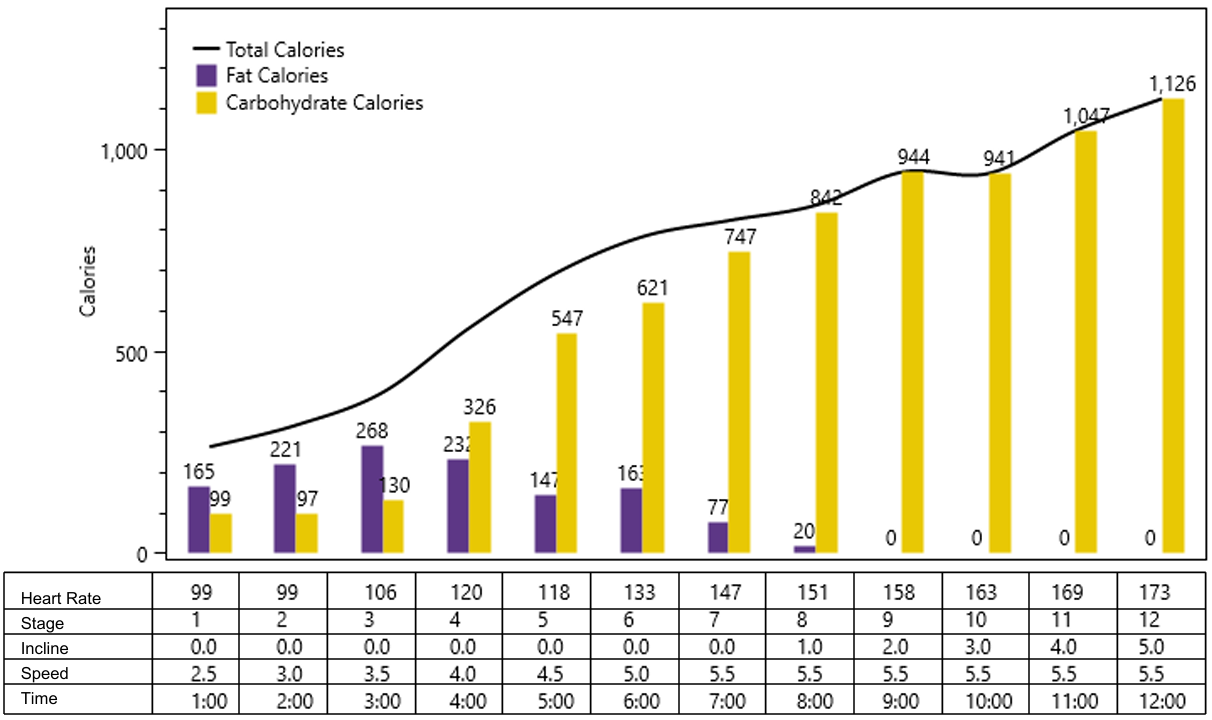
Fuel Utilization Analysis: We track exactly how many calories you are burning and the ratio of fats to carbohydrates consumed at every intensity level. This data is essential for creating a precise race-day fueling strategy and avoiding the "bonk."
This test is for the athlete who is tired of "training by feel." When you finish, you won’t just have a number to brag about—you’ll have a professional-grade training profile. We provide the exact heart rate and power/pace zones you need to structure your intervals, time your tapers, and break through your next personal record. If you are serious about your results, you need to be serious about your data.
What does the test look like?
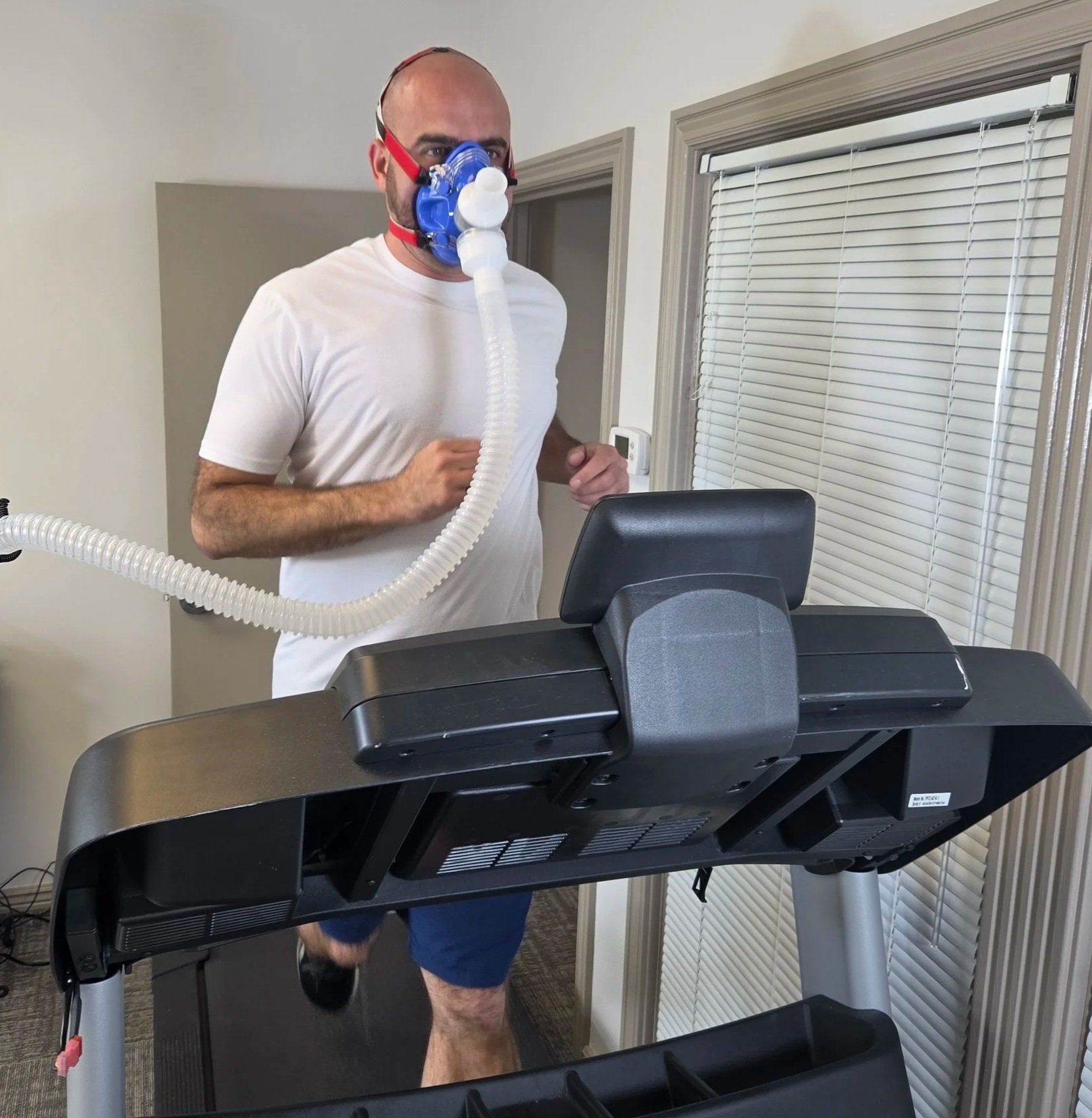
We make the testing process seamless so you can focus on your performance. Here is what to expect during your appointment:
Preparation and Intake: When you arrive, you fill out a consent form and health questionnaire.
Gear-up: You’ll be fitted with a heart rate monitor and a metabolic mask. The mask is connected to our gas analyzer to measure every breath you take.
Warm-up: You will begin walking on a treadmill at a flat incline to get your muscles warmed up and slowly start raising your heart rate.
The Ramp-up to target effort: Every minute we will increase the speed of the treadmill until you are at a comfortable sustainable pace. Once there we will increase the incline of the treadmill every minute until you get to either 85% of your max or your max effort depending on your preference.
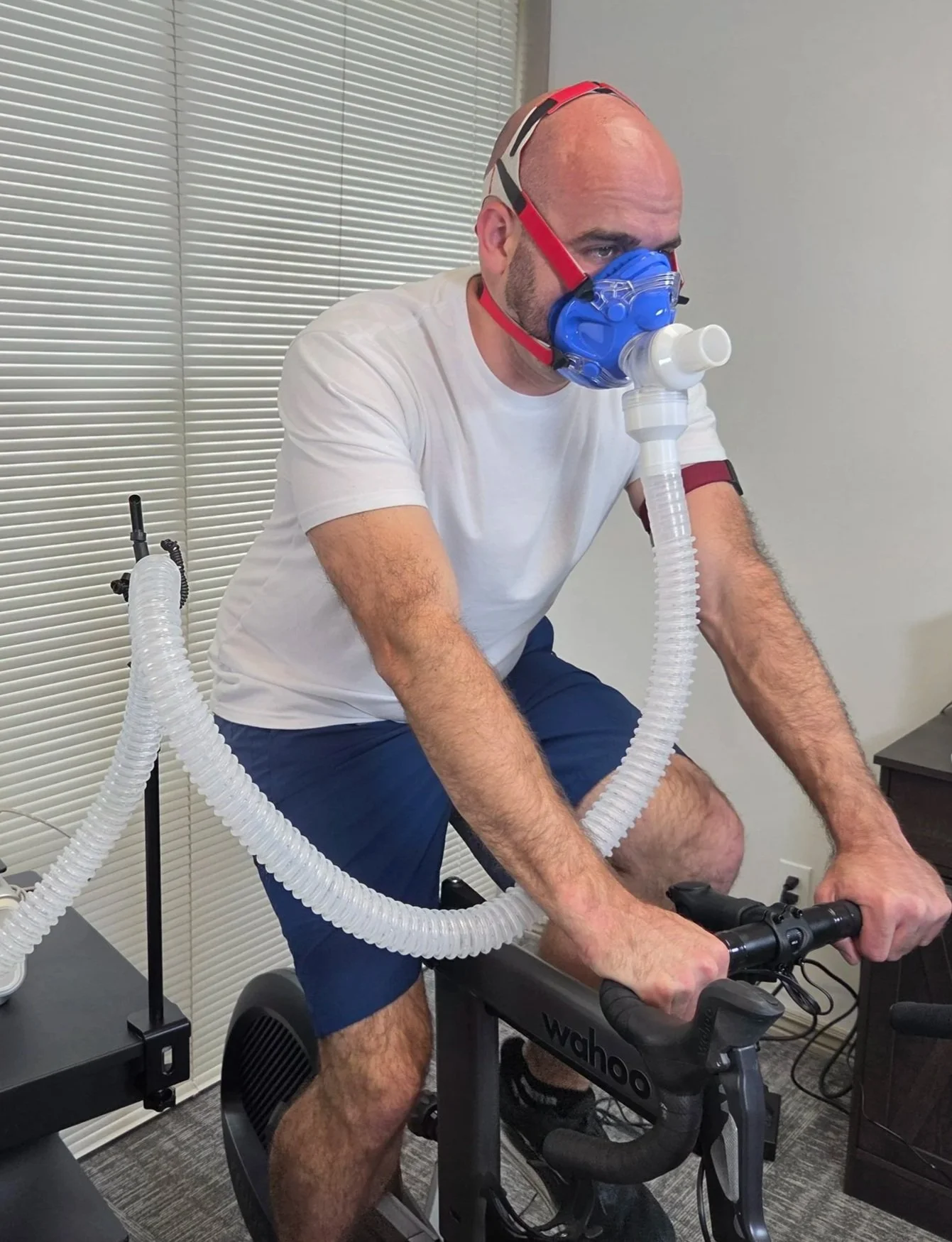
*If doing the test on a bike you will start at a lower easy wattage and then increase your watts every minute until either 85% of your max or your max effort depending on your preference.
Cool down and Recovery: We will decrease the incline back to zero and the speed down to a slow walk. We will then watch your heart rate come down for 2 minutes.
Get your Results: We will then go over the results together and answer any questions you have.
-
Yes,
The maximum weight we can test is 300 pounds.
If you have any heart conditions, are prone to passing out, or have been advised by your doctor not to do strenuous exercise we will not be able to test you.
-
1 Test: $99
*2 Tests: $179
*3 Tests: $239
*For the discounted tests they must be purchased at the same time. Credits for tests are valid for 2 years from the date of purchase.
-
12-24 hours prior to your appointment - avoid exercise, avoid taking any supplements or unnecessary over the counter medications. Drink plenty of water to stay hydrated.
4 hours prior to appointment - avoid eating food or consuming any caffeine.
Come well rested and ready to give your maximum effort.
Come in comfortable running clothes. Avoid any new clothing/shoes that may impact your performance.
-
Once on the treadmill the test last between 8 and 15 minutes depending on how long you need to warm up. Highly fit athletes take closer to 15 minutes.
Know your Zones
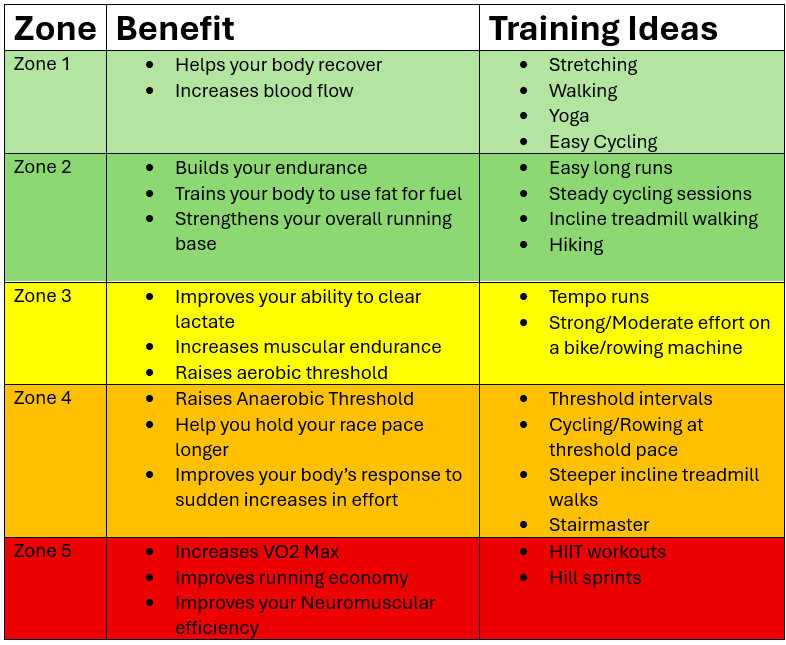
Stop guessing and start training. Most athletes fall into the "gray zone"—pushing too hard to recover properly, but not hard enough to actually get faster. By basing your heart rate zones on actual VO₂ max data rather than age-based formulas, you move beyond generic estimates to find your body’s unique physiological "switch points." This precision allows you to target the specific metabolic pathways that drive performance, ensuring every mile you run is actually moving the needle.
Whether you are building mitochondrial density for long-range endurance or sharpening your lactate threshold for a personal best, data-driven zones take the ego out of training. You’ll gain the ability to precisely control training stress, optimize your recovery windows, and develop both the aerobic and anaerobic systems that matter most for race day. When you know your exact numbers, you don't just work harder—you work significantly smarter.
-
The Aerobic Threshold is the highest intensity at which your body can sustain exercise primarily using its aerobic energy system. At this specific point, your body is incredibly efficient, fueling itself mostly by breaking down body fat with the help of oxygen.
Think of it as the "top of your first gear." Once you cross this threshold, your body's demand for energy exceeds what it can produce from fat alone, and it begins to rely more heavily on glycogen (sugar) and starts producing more lactic acid.
-
The Anaerobic Threshold is the highest intensity you can sustain where your body is still able to clear lactic acid as fast as it produces it. In exercise science, this is often called the "tipping point" or "red line."
When you stay below this threshold, you are in a "steady state"—your breathing is heavy but controlled, and your muscles aren't burning uncontrollably. The moment you cross above it, your body can no longer keep up with the metabolic waste products (hydrogen ions and lactate), and you begin a rapid countdown to total muscle fatigue.
-
The Gray Zone (often referred to as Zone 3) is the middle ground of intensity where you are going too fast to be "easy" but too slow to be "hard." In this zone, your heart rate is high enough to cause significant fatigue, but not high enough to trigger the high-end speed and power adaptations found in the upper zones. Most self-trained athletes spend 70–80% of their time here, which often leads to a "performance plateau"—you feel tired all the time, but your race times aren't improving.
What is VO2 Max?
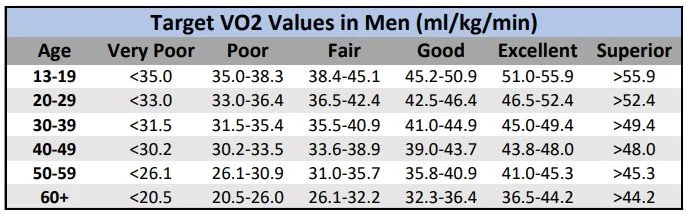
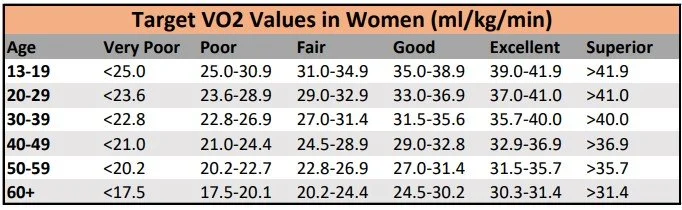
VO2 Max measures the maximum amount of oxygen your body can utilize during intense exercise. Think of it as your "engine displacement"—the larger the number, the more power your body can generate. Measured in milliliters of oxygen per kilogram of body weight (ml/kg/min), this metric is the ultimate gold standard for cardiovascular fitness. If you want to know your ceiling for endurance and performance, this is the number that defines it.
Beyond just a score, your VO2 Max is a "crystal ball" for your physical potential. It accurately predicts your endurance capacity and identifies where your cardiovascular system might be limiting you. Perhaps more importantly, it is one of the strongest predictors of longevity; higher VO2 Max levels are directly linked to a significantly lower risk of cardiovascular disease and all-cause mortality. Testing gives you the baseline you need to grow your engine and add years to your life.
-
While genetics set your "basement" and your "ceiling," almost everyone has significant room for improvement. For most athletes, VO2 Max can be increased by 15% to 25% through targeted high-intensity interval training (HIIT) and consistent aerobic base building. By testing with us, we identify exactly which type of training—short sprints or longer threshold efforts—will trigger the most growth for your specific physiology.
-
VO2 Max is "task-specific." Most people will score 5–10% higher on a treadmill than on a stationary bike because running recruits more muscle mass (which requires more oxygen). If you are a pure cyclist, your cycling VO2 Max is your most important metric. If you are a triathlete or general fitness enthusiast, the treadmill test usually provides the most accurate picture of your "true" maximum aerobic capacity.
Fuel Utilization
Teaching Your Body to Burn Fat
Many people struggle with "afternoon crashes" or feel like they have to eat every two hours to stay energized. This often happens because the body has become "sugar-dependent," reaching for limited carbohydrate stores even at low intensities.
By measuring your fuel utilization, we identify your Fat Max—the specific heart rate where your body is most efficient at burning stored body fat. When you train in this zone, you teach your body to become Metabolically Flexible.
The Benefits of Metabolic Flexibility:
Sustainable Weight Loss: Learn how to actually tap into fat stores during exercise instead of just burning through your last meal.
Steady Energy: Avoid the "bonk" or the sudden feeling of exhaustion by preserving your limited glycogen (sugar) stores for when you truly need them.
Better Health Markers: Improving how your body uses fuel is a primary indicator of mitochondrial health and can help manage blood sugar levels.
-
Fat Max is the specific exercise intensity (heart rate) where your body reaches its peak rate of fat oxidation. Knowing this number is vital because it tells us the "speed limit" of your efficiency. If your Fat Max is at a low heart rate, you’ll be forced to rely on sugar even at slow paces, which leads to early fatigue. We use this data to prescribe the exact intensity needed to "push" your Fat Max to higher speeds.
-
Absolutely. This is the primary goal of "Zone 2" or "Base" training. By training consistently at or just below your Fat Max, you signal your muscles to create more mitochondria and enzymes that specialize in burning fat. Over time, your "crossover point" shifts to the right, meaning you can run faster while still primarily using fat for fuel.
-
Not necessarily. While training at Fat Max burns the highest percentage of fat during the workout, higher-intensity intervals burn more total calories and can increase your metabolic rate for hours afterward. However, for long-term health and endurance, building a strong "fat-burning base" is essential for metabolic health and preventing "sugar crashes" during the day.
Other Services You May be Interested in
Dexa Body Composition scans
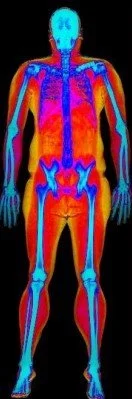
Find out what you’re made of with a comprehensive body composition scan. A DEXA scan is considered the gold standard for body composition analysis because it goes far beyond the number on a standard scale. It utilizes two low-energy X-ray beams to differentiate between three primary tissue types: bone mineral density, lean muscle mass, and fat mass. By mapping these tissues across specific regions of the body—such as the trunk, arms, and legs—the scan provides a precise "internal snapshot" of your physical makeup. Crucially, it also measures visceral fat, the deep belly fat associated with metabolic health risks, and identifies muscular imbalances between limbs, making it an essential tool for athletes and individuals looking to optimize their health and performance with clinical-grade data.

Resting Metabolic Rate Testing
Resting Metabolic Rate (RMR) testing measures the exact number of calories your body burns at rest, providing the biological "blueprint" for your unique metabolism. By knowing your precise caloric needs, you can stop the guesswork and customize your nutrition plan to lose fat, gain muscle, or maintain your weight with clinical accuracy
Great for those who want to dial in more precise calorie targets or those who are struggling to lose fat.